The internet has made daily life easier in many ways, allowing people to communicate instantly, shop without leaving home, access services, and discover opportunities that were once hard to find, yet this same convenience has also opened space for online scams that rely on speed, emotion, and distraction to trick users.
For many people, the most confusing part is not understanding technology, but knowing how to react when receiving offers that look tempting, urgent, or surprisingly generous, especially when these messages arrive through social networks, ads, emails, or messaging apps that are used every day.
This complete guide on how to avoid online scams was created to help you recognize common scam patterns, understand why these tricks work, and learn calm, realistic ways to protect yourself without becoming fearful or suspicious of everything you see online.
Throughout this article, you will find clear explanations, described examples, warning signs to watch for, step-by-step actions to take when something feels wrong, and guidance on reporting fraud through official channels of your country or the service involved, always explained in a balanced and accessible tone.
The objective is to give you confidence and awareness, so you can enjoy the internet while reducing risks and knowing that most scams can be avoided with attention, patience, and a few good habits.
What Online Scams Really Are
Online scams are attempts to deceive people through digital channels in order to steal money, personal information, access to accounts, or even emotional trust, often by pretending to be something familiar, official, or attractive.
Instead of using technical attacks, most scams focus on human behavior, because emotions and habits are easier to exploit than computer systems.
Common Goals of Online Scams
- Steal money directly.
- Collect personal or financial information.
- Gain access to accounts.
- Convince victims to send payments or gift cards.
Understanding these goals helps you stay alert.
Why Online Scams Are So Common
Online scams are widespread because they are cheap to run, reach many people quickly, and only require a small percentage of victims to be profitable, which encourages scammers to repeat and refine their methods.
Even smart and careful users can be targeted on busy days.
Reasons Scams Continue to Grow
- Easy access to large audiences.
- Low cost for scammers.
- Emotional manipulation.
Awareness is the best defense.
Understanding That Anyone Can Be Targeted
One of the most important things to understand is that online scams are not a sign of lack of intelligence, because scammers design their messages to work on people of all ages, backgrounds, and experience levels.
Feeling embarrassed or ashamed only helps scammers.
Situations That Increase Vulnerability
- Being tired or distracted.
- Facing financial pressure.
- Feeling curiosity or excitement.
Timing often matters more than knowledge.
Typical Places Where Scams Appear
Scams can appear almost anywhere online, but some environments are more commonly used.
Common Channels Used by Scammers
- Email inboxes.
- Messaging apps.
- Social media ads.
- Fake websites.
Familiar platforms can still host scams.
Most Common Types of Online Scams
Recognizing typical scam formats makes it easier to spot them quickly.
Fake Prize or Giveaway Scams
- Claim you won something unexpectedly.
- Ask for fees or personal details.
Unexpected prizes deserve skepticism.
Too Good Deals and Unreal Discounts
- Extremely low prices.
- Limited-time pressure.
Unrealistic offers are a classic warning sign.
Impersonation of Companies or Authorities
- Pretend to be banks or services.
- Threaten account closure.
Real institutions do not threaten via messages.
Romance and Relationship Scams
- Build trust over time.
- Eventually ask for money.
Emotional connection is exploited.
Urgent Help Requests From “Friends”
- Claim emergency situations.
- Ask for quick transfers.
Verify before helping.
Why “Too Good to Be True” Is a Real Warning
Offers that promise high rewards with little effort are designed to bypass logic and trigger excitement or fear of missing out.
Common Characteristics of Too-Good Deals
- High reward.
- Low effort.
- Urgent deadline.
Pausing breaks the spell.
Emotional Triggers Used by Scammers
Scammers rely heavily on emotional reactions.
Most Used Emotional Triggers
- Urgency.
- Fear.
- Excitement.
- Sympathy.
Strong emotions reduce careful thinking.
Basic Warning Signs to Watch For
While scams vary, many share similar signs.
Universal Scam Warning Signs
- Pressure to act quickly.
- Requests for secrecy.
- Unusual payment methods.
- Poor grammar or strange wording.
One sign alone may not be enough, but several together matter.
Being Careful With Links and Attachments
Links and attachments are common tools used in scams.
Safe Behavior Around Links
- Do not click unexpected links.
- Avoid shortened links.
Opening links should be intentional.
Safe Behavior Around Attachments
- Do not open files you did not request.
- Be cautious with invoices or receipts.
Unexpected files deserve suspicion.
How Scammers Use Urgency to Control Decisions
Urgency prevents reflection.
Examples of Urgent Messages
- “Act now or lose access.”
- “Offer expires today.”
Real businesses allow time.
What to Do When You Suspect a Scam
The most important step is stopping.
Immediate Actions to Take
- Do not click anything.
- Do not reply.
- Do not send money.
Non-action is often protection.
How to Verify Offers and Messages Safely
Verification should happen outside the suspicious message.
Safe Verification Methods
- Search for official contact information.
- Check directly in your account.
Never use contact details provided in the message.
Talking With Someone Before Acting
Scammers try to isolate victims.
Why Talking Helps
- Another perspective.
- Reduced emotional pressure.
Conversation breaks manipulation.
What to Do If You Already Interacted With a Scam
Quick action can limit damage.
Steps After Interaction
- Stop communication.
- Change affected passwords.
- Monitor accounts.
Early response matters.
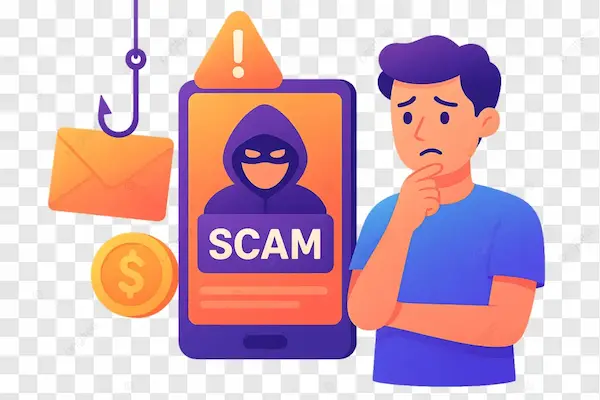
Understanding That Reporting Scams Helps Others
Reporting scams helps services improve protection.
Where Reports Are Usually Made
- Official fraud reporting channels of your country.
- Support or abuse sections of the service used.
Reporting is a positive action.
How to Report Without Stress
Reporting does not require perfect details.
Information Commonly Requested
- Message content.
- Sender details.
Even partial reports help.
Helping Family Members Avoid Online Scams
Scams often affect families.
How to Share Knowledge
- Discuss common scam examples.
- Encourage asking before acting.
Shared awareness increases safety.
Habits That Reduce Scam Risk Over Time
Daily Habits
- Read messages slowly.
- Question urgency.
Occasional Habits
- Review account activity.
Habits protect better than tools alone.
Printable Checklist: How to Avoid Online Scams
Before Acting on Any Offer
- Is it unexpected?
- Is it urgent?
- Is it too good?
If You Feel Unsure
- Stop.
- Do not click.
- Ask someone.
This checklist can be printed or saved.
Common Myths About Online Scams
Myth: Only Careless People Fall for Scams
Scams target human behavior.
Myth: Scams Are Always Obvious
Many are very convincing.
Myth: One Mistake Means Disaster
Many issues can be fixed.
Practice Exercise: Review One Message Today
Exercise Steps
- Choose a suspicious message.
- Identify warning signs.
- Decide not to act.
Practice builds confidence.
Frequently Asked Questions About How to Avoid Online Scams
Are all online offers scams?
No, but caution is necessary.
Should I ignore all unexpected messages?
Ignoring is often safe.
Is reporting scams useful?
Yes, it helps protect others.
Final Thoughts and a Calm Next Step
Learning how to avoid online scams is not about living in fear or distrusting everything on the internet, but about slowing down, recognizing common manipulation tactics, and giving yourself permission to pause before reacting.
When you question offers that feel too good, avoid rushing under pressure, verify information calmly, and talk with someone you trust when in doubt, you remove most of the power that scams rely on.
Could you make it a habit to pause for just a few seconds before responding to unexpected offers or messages, knowing that this simple moment of reflection is one of the strongest tools you have for staying safe online?