
Learning a new language often starts with excitement and curiosity, yet many students quickly realize that progress depends not only on classes or textbooks, but also on what happens in the quiet moments outside the classroom, when vocabulary fades, confidence drops, and opportunities to practice feel limited.
For students who want to stay in contact with a foreign language between lessons, language learning apps for practice can be extremely helpful, especially when used as light and consistent tools rather than as complete learning systems that promise fluency on their own.
This article was created for language learners who want to practice in a realistic and motivating way, without pressure, without exaggerated expectations, and without replacing solid study methods such as classes, reading, listening, and real conversations.
Throughout this guide, you will find a clear language apps review focused on popular and safe apps, explanations of common exercise types like vocabulary drills and speaking practice, ideas on how daily streaks can support motivation, and practical suggestions on how to combine apps with other forms of study.
The tone here is encouraging and practical, while remaining honest about limits, because apps are powerful companions for practice, not magic solutions.
Why Language Learning Apps for Practice Are So Popular
Understanding why language learning apps for practice are widely used begins with recognizing that language learning requires frequent contact, and traditional study formats often leave long gaps between sessions.
When days pass without hearing, reading, or using the language, progress slows, confidence drops, and restarting feels harder than continuing would have been.
Practice-focused apps help solve this problem by lowering the barrier to daily contact, offering short exercises that fit into busy routines and keep the language active in the learner’s mind.
Common Challenges Apps Help With
- Forgetting vocabulary between classes.
- Losing confidence to speak.
- Feeling disconnected from the language.
- Having limited time for long study sessions.
- Needing light and frequent revision.
For many learners, consistency matters more than intensity.
What Practice Apps Actually Do, in Simple Terms
Before looking at specific apps, it helps to clearly understand what language practice apps actually offer, because many students expect them to replace teachers or textbooks, which is not their main purpose.
Most practice apps focus on repetition, exposure, and reinforcement, helping learners review vocabulary, hear pronunciation, practice basic sentence patterns, and sometimes engage in guided speaking or writing.
Rather than teaching everything from zero to advanced levels, these apps work best when used alongside other learning methods.
Main Goals of Practice-Focused Language Apps
- Keep vocabulary active.
- Reinforce grammar patterns.
- Improve listening familiarity.
- Encourage regular contact with the language.
Seeing them as training tools instead of full courses makes expectations healthier.
Daily Streaks: Motivation Tool, Not a Measure of Skill
Daily streaks appear in many language learning apps for practice, showing how many consecutive days a learner has used the app, and while they can be motivating, they are often misunderstood.
A streak does not measure fluency, intelligence, or effort quality, but simply shows frequency of contact, which is one of many factors in language learning.
Used gently, streaks encourage consistency without pressure.
Healthy Ways to Use Daily Streaks
- See streaks as reminders, not goals.
- Focus on understanding, not just checking in.
- Allow breaks without guilt.
- Restart streaks when life gets busy.
Consistency supports learning, but flexibility sustains it.
Types of Exercises Found in Language Practice Apps
Different apps focus on different exercise styles, and understanding these types helps learners choose tools that match their needs and preferences.
Vocabulary Drills
Vocabulary drills are one of the most common features, using repetition and review to strengthen memory.
- Word matching.
- Flashcards.
- Fill-in-the-blank exercises.
- Picture-to-word associations.
Listening Exercises
Listening practice helps learners become familiar with sounds, rhythm, and pronunciation.
- Short audio clips.
- Sentence repetition.
- Listening with comprehension questions.
Speaking Practice
Speaking practice in apps is usually guided and limited, yet still useful for confidence.
- Repeating sentences.
- Pronunciation feedback.
- Simple dialogues.
Writing and Grammar Practice
- Sentence building.
- Error correction.
- Basic grammar drills.
No single app includes everything perfectly.
Overview of Popular Language Learning Apps for Practice
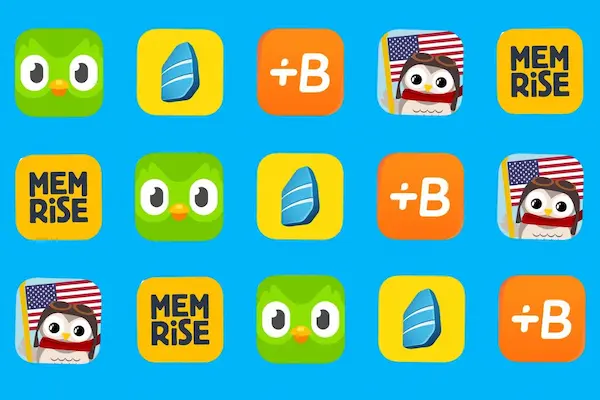
In this language apps review, we will look at several popular and safe apps that are widely used for language practice, focusing on how they fit into daily routines rather than on marketing claims.
Apps Covered in This Guide
- :contentReference[oaicite:1]{index=1}
- :contentReference[oaicite:2]{index=2}
- :contentReference[oaicite:3]{index=3}
- :contentReference[oaicite:4]{index=4}
- :contentReference[oaicite:5]{index=5}
Each app will be discussed with its practice focus, strengths, limitations, and practical use ideas.
Duolingo: Light Daily Practice With Strong Habit Support
Duolingo is one of the most recognizable language learning apps, designed to make daily practice feel approachable through short lessons and game-like elements.
Main Practice Features of Duolingo
- Vocabulary drills.
- Sentence building.
- Listening exercises.
- Daily streak system.
Why It Works for Practice
- Very short lessons.
- Easy daily access.
- Low mental effort.
Limitations to Be Aware Of
- Limited speaking depth.
- Grammar explanations are basic.
Best Use Case
Duolingo works best as a daily warm-up or review tool rather than as a main study method.
Babbel: Structured Practice With Clear Explanations
Babbel focuses more on structured lessons and explanations, making it suitable for learners who like understanding patterns while practicing.
Main Practice Features of Babbel
- Vocabulary in context.
- Grammar explanations.
- Listening and speaking drills.
Why It Works for Practice
- Clear lesson structure.
- Useful sentence patterns.
- Practical language focus.
Limitations to Be Aware Of
- Less playful than other apps.
- Shorter practice sessions require planning.
Best Use Case
Babbel fits learners who want guided practice alongside traditional study.
Memrise: Vocabulary and Listening Through Exposure
Memrise emphasizes exposure to real language through videos and spaced repetition, making vocabulary practice more contextual.
Main Practice Features of Memrise
- Vocabulary drills.
- Native speaker videos.
- Listening repetition.
Why It Works for Practice
- Strong pronunciation exposure.
- Engaging content.
- Good for memory reinforcement.
Limitations to Be Aware Of
- Less grammar structure.
- Progress depends on repetition.
Best Use Case
Memrise works well for vocabulary expansion and listening familiarity.
Busuu: Practice With Feedback Elements
Busuu combines structured lessons with opportunities for limited feedback from other learners.
Main Practice Features of Busuu
- Vocabulary and grammar drills.
- Writing exercises.
- Community feedback.
Why It Works for Practice
- Balanced skill focus.
- Clear progression.
- Motivating feedback.
Limitations to Be Aware Of
- Feedback quality varies.
- Some features require subscription.
Best Use Case
Busuu suits learners who enjoy guided practice with occasional interaction.
HelloTalk: Informal Speaking and Writing Practice
HelloTalk focuses on language exchange, connecting learners with native speakers for informal practice.
Main Practice Features of HelloTalk
- Text messaging practice.
- Voice messages.
- Corrections from users.
Why It Works for Practice
- Real communication.
- Flexible interaction.
- Exposure to natural language.
Limitations to Be Aware Of
- Quality depends on partners.
- Requires social comfort.
Best Use Case
HelloTalk works best for learners ready to practice writing and speaking informally.
Comparing Language Learning Apps for Practice
Looking at differences side by side helps clarify which app fits each goal.
Quick Comparison Highlights
- Habit building: Duolingo.
- Structured explanations: Babbel.
- Vocabulary exposure: Memrise.
- Guided progression: Busuu.
- Real interaction: HelloTalk.
How to Fit Language Practice Apps Into a Daily Routine
Practice apps work best when they are attached to existing habits rather than added as separate tasks.
Simple Daily Integration Ideas
- Five minutes after waking up.
- Short session during commute.
- Quick review before bed.
Weekly Practice Rhythm
- Short daily sessions.
- One longer review per week.
- Regular exposure to real content.
Combining Apps With Other Forms of Study
Language learning apps for practice are most effective when combined with other methods.
Complementary Study Activities
- Classes or online courses.
- Reading simple texts.
- Watching videos in the target language.
- Listening to podcasts or music.
Example Combination Plan
- Class or lesson twice a week.
- App practice daily for 5–10 minutes.
- One longer listening session weekly.
Being Realistic About the Limits of Apps
While language apps are useful, they have limits that learners should understand.
What Apps Do Well
- Support regular practice.
- Reinforce vocabulary.
- Build study habits.
What Apps Cannot Fully Replace
- Extended conversations.
- Deep cultural context.
- Personalized correction.
Seeing apps as tools, not solutions, keeps motivation healthy.
Common Mistakes Learners Make With Practice Apps
Understanding common mistakes helps avoid frustration.
Frequent Pitfalls
- Using too many apps at once.
- Relying only on streaks.
- Avoiding speaking practice entirely.
- Expecting fluency without effort.
Gentle Adjustments
- Choose one main app.
- Set small daily goals.
- Add real language exposure.
How to Choose the Right Language Practice App for You
The best app depends on your learning style and goals.
Questions to Guide Your Choice
- Do I want playful or structured practice?
- Is vocabulary or speaking my priority?
- How much time can I realistically commit?
Frequently Asked Questions About Language Learning Apps for Practice
Can apps make me fluent?
Apps support practice but do not replace full learning methods.
How much time should I use them daily?
Five to fifteen minutes is often enough.
Is it okay to skip days?
Yes, consistency matters more than perfection.
Should I pay for premium versions?
Free versions are enough for many learners.
Practicing Languages With Balance and Motivation
Using language learning apps for practice is about staying connected to the language between formal study moments, keeping vocabulary active, and building confidence through frequent, low-pressure exposure.
By choosing apps that match your goals, understanding exercise types like vocabulary drills and speaking practice, using daily streaks as gentle reminders, and combining app use with other learning methods, language practice becomes lighter and more sustainable.
Progress in languages comes from consistent contact over time, and when used with realistic expectations, practice apps become valuable companions on that journey.